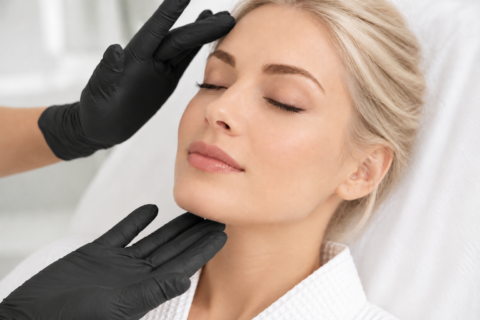
In October, the skin may still show the effects of summer, but the conditions are finally ideal for taking effective action. At our clinic in Como, September and October are among the months when we receive the most enquiries about biorevitalization: a treatment designed not to change the face, but to help the skin regain its natural radiance, hydration and softness.
In this article, we explain what biorevitalization is, how it works, who it is suitable for and why autumn is an ideal time to begin treatment.
What is biorevitalization?
Biorevitalization is an aesthetic medicine treatment that uses microinjections of pure hyaluronic acid to deeply hydrate the skin.
Unlike dermal fillers, which are used to restore or enhance facial volume, biorevitalization does not alter the shape or contours of the face. Its purpose is to improve skin quality from within, restoring the hydration, tone and radiance that can gradually diminish due to ageing and environmental factors.
The hyaluronic acid used in biorevitalization is free, non-cross-linked hyaluronic acid. It is delivered through small deposits into the superficial dermis, where it acts like a sponge, helping the tissues retain water and progressively improving the appearance and quality of the skin in the weeks following treatment.
Biorevitalization vs dermal fillers: what is the difference?
Microneedling is one of the most versatile treatments in aesthetic medicine because it works on the structure of the This is one of the most common questions among people approaching injectable aesthetic treatments for the first time.
Both treatments use hyaluronic acid, but their purposes and mechanisms of action are very different.
Dermal fillers are used to restore or enhance volume. They can add or restore definition in specific areas of the face, such as the lips, cheekbones or nasolabial folds. The result is usually visible immediately.
Biorevitalization does not add volume. Instead, it works more broadly on skin quality, across the entire face or selected areas, helping to improve hydration, texture, tone and radiance.
The results develop progressively and focus on the overall condition and appearance of the skin rather than on correcting a single facial area.
The two treatments can also be combined as part of an integrated aesthetic medicine plan, with each serving a different and complementary purpose.
Who is biorevitalization suitable for?
Biorevitalization may be recommended for people experiencing one or more of the following concerns:
- Dry or dehydrated skin, which feels tight or looks dull even after adequate rest
- Progressive loss of radiance and skin tone
- Fine superficial lines caused primarily by dehydration rather than muscle activity
- Skin stressed by sun exposure, wind, cold or an intense lifestyle
- Uneven or dull complexion, particularly after the summer months
There is no strict minimum or maximum age for treatment. Biorevitalization may be considered from around the age of 30 as part of a preventive skincare approach, or later in life to address visible signs of skin ageing.
The doctor assesses each patient individually and tailors the treatment according to the specific condition and needs of the skin.
What happens during a biorevitalization session?
The session begins with thorough cleansing of the skin. If necessary, a topical anaesthetic cream may be applied to make the treatment more comfortable.
The doctor then performs a series of superficial microinjections into the dermis, distributing the hyaluronic acid evenly throughout the areas being treated.
A typical session lasts approximately 20 to 30 minutes.
After treatment, mild redness and small temporary bumps may appear at the injection sites. This is a normal reaction and generally resolves within a few hours.
There is usually no significant downtime, allowing patients to return to most everyday activities shortly afterwards.
Why is autumn an ideal time for biorevitalization?
Biorevitalization can be performed throughout the year, but autumn offers particularly favourable conditions for treatment for three main reasons.
The first is the condition of the skin itself. After months of sun exposure, the skin may be more dehydrated, stressed and lacking in radiance. Beginning a biorevitalization programme in October means addressing these concerns at a time when the skin can particularly benefit from additional hydration and support.
The second reason is reduced sun exposure. During autumn, the skin is generally less exposed to intense UV radiation than during the summer months, creating more favourable conditions following an injectable treatment and helping to minimise irritation in the treated areas.
The third reason is timing. A standard biorevitalization programme generally consists of two or three sessions spaced approximately three to four weeks apart. Starting in October allows enough time for the treatment programme to develop progressively, with the aim of reaching the festive season with skin that appears more hydrated, refreshed and radiant.
How many sessions are needed and when will results be visible?
A standard biorevitalization programme usually includes two or three sessions, approximately three to four weeks apart.
Initial improvements in skin radiance and softness may often be noticeable after the first session.
The deeper benefits associated with dermal remodelling and collagen stimulation develop progressively and become more established in the weeks following the final treatment.
To help maintain the results over time, the doctor may recommend periodic maintenance sessions, typically once or twice a year, depending on the individual patient’s skin and treatment plan.
FAQ
Is biorevitalization painful?
Biorevitalization is generally well tolerated. The microinjections may cause mild discomfort, often described as a series of small pinches. For patients with particularly sensitive skin, or when treating more sensitive areas, the doctor may apply a topical anaesthetic cream beforehand to make the procedure more comfortable.
Can i have both biorevitalization and dermal fillers?
Yes. The two treatments are compatible and are often combined within an integrated aesthetic medicine programme. Dermal fillers work primarily on facial volume, while biorevitalization focuses on skin quality. They can therefore complement each other without serving the same purpose. The doctor will determine the most appropriate sequence and timing according to the individual patient’s needs.
How long do the effects of biorevitalization last?
The duration of the results depends on several factors, including the type of hyaluronic acid used, the initial condition of the skin and the number of sessions performed.
On average, the benefits may last between six and twelve months. Periodic maintenance sessions can help prolong and consolidate the results over time.
How many sessions are needed to see results?
Initial improvements may be noticeable after the first session. For optimal results, a course of two or three sessions spaced three to four weeks apart is usually recommended. The skin continues to respond progressively in the weeks following each treatment.
Can biorevitalization also be performed on the neck and décolletage?
Yes. Biorevitalization is not limited to the face. The neck, décolletage and hands can also respond very well to the treatment, particularly when they show signs of skin ageing or dehydration associated with sun exposure.
Where can i have biorevitalization in Como this autumn?
At Esthelia, Via Mentana 11 in Como, our team of specialised doctors assesses the condition of each patient’s skin and develops a personalised biorevitalization programme based on their individual needs and aesthetic goals. The initial consultation is free and without obligation.
Would you like to restore your skin’s radiance and hydration before the festive season? Book a free consultation at our clinic in Como. Together, we will assess the condition of your skin and identify the most suitable treatment plan to help you approach the winter months looking and feeling your best.